Aesthetic Dentistry & Veneers · Gangnam, Seoul
Korean Veneers,
Without the Guesswork.
"Korean veneers" is a look people search for — not one technique.
Whether no-prep or minimal-prep suits you depends on
your tooth size and proportions, not a marketing label.
Woochan Hwang, DDS Board-Certified Orthodontic Specialist in Korea · Aesthetic Dentistry
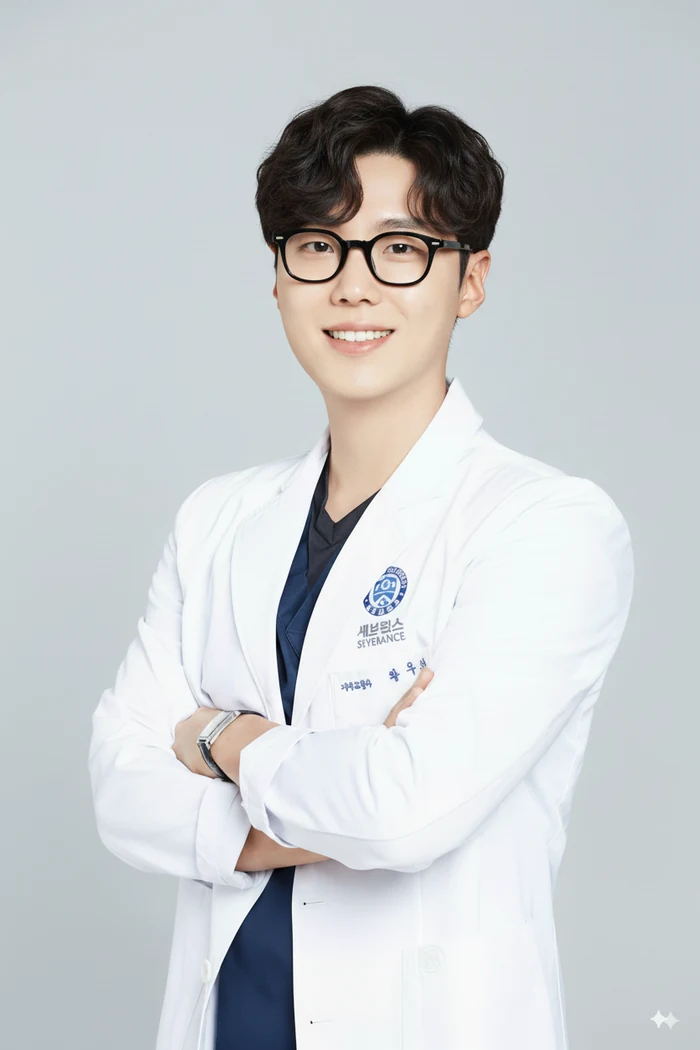

Board-Certified Orthodontic Specialist
REVE Dental Clinic, Gangnam
Not everyone needs veneers. When the concern is colour alone, whitening is usually enough — and when teeth are out of position, orthodontics often comes first.
01 / What "Korean Veneers" Actually Means
No-prep, minimal-prep, and traditional — not the same thing
Most English-language articles treat "Korean veneers" as a single style. Clinically, it's a spectrum of how much enamel is removed before bonding — and that changes both the look and who is actually a good candidate.
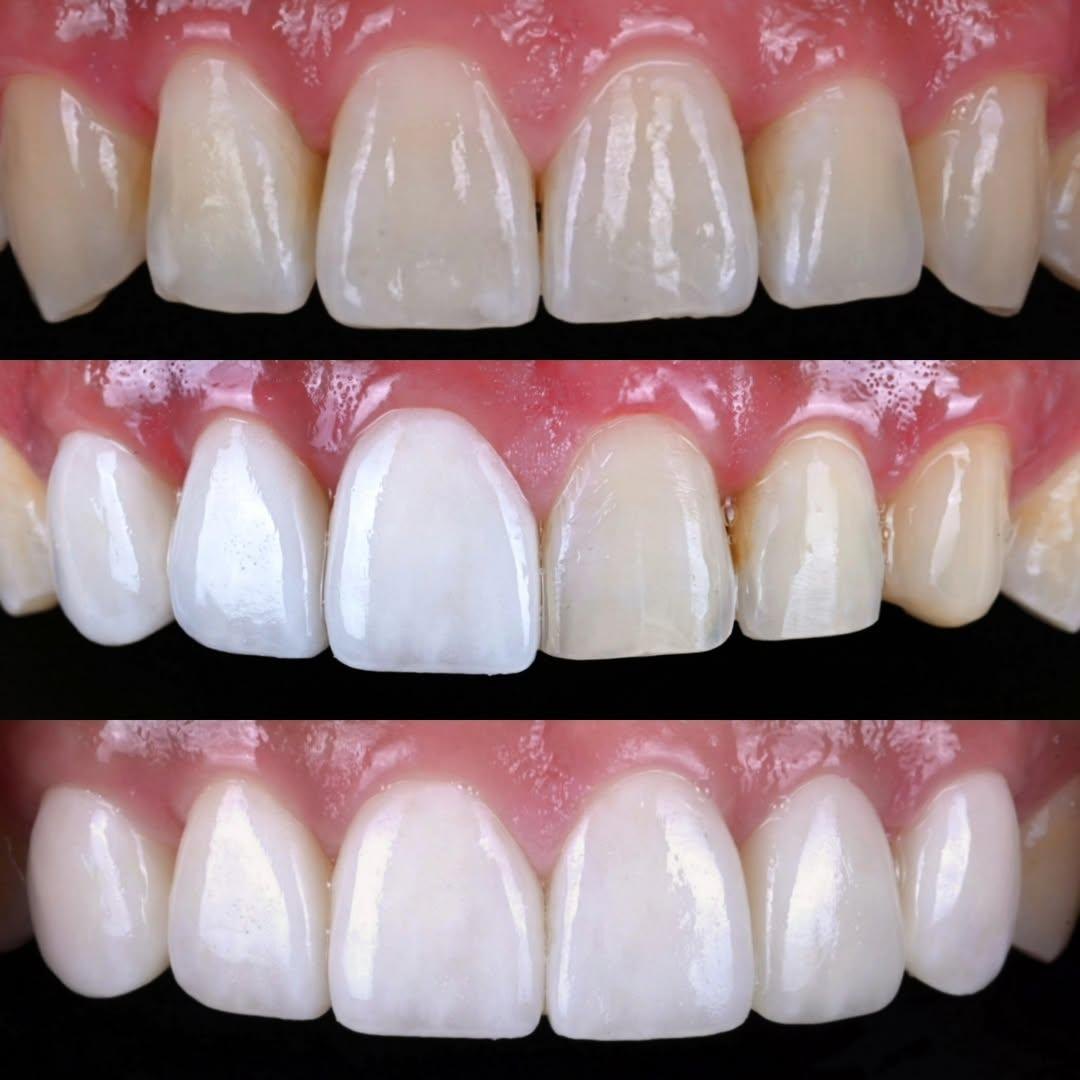
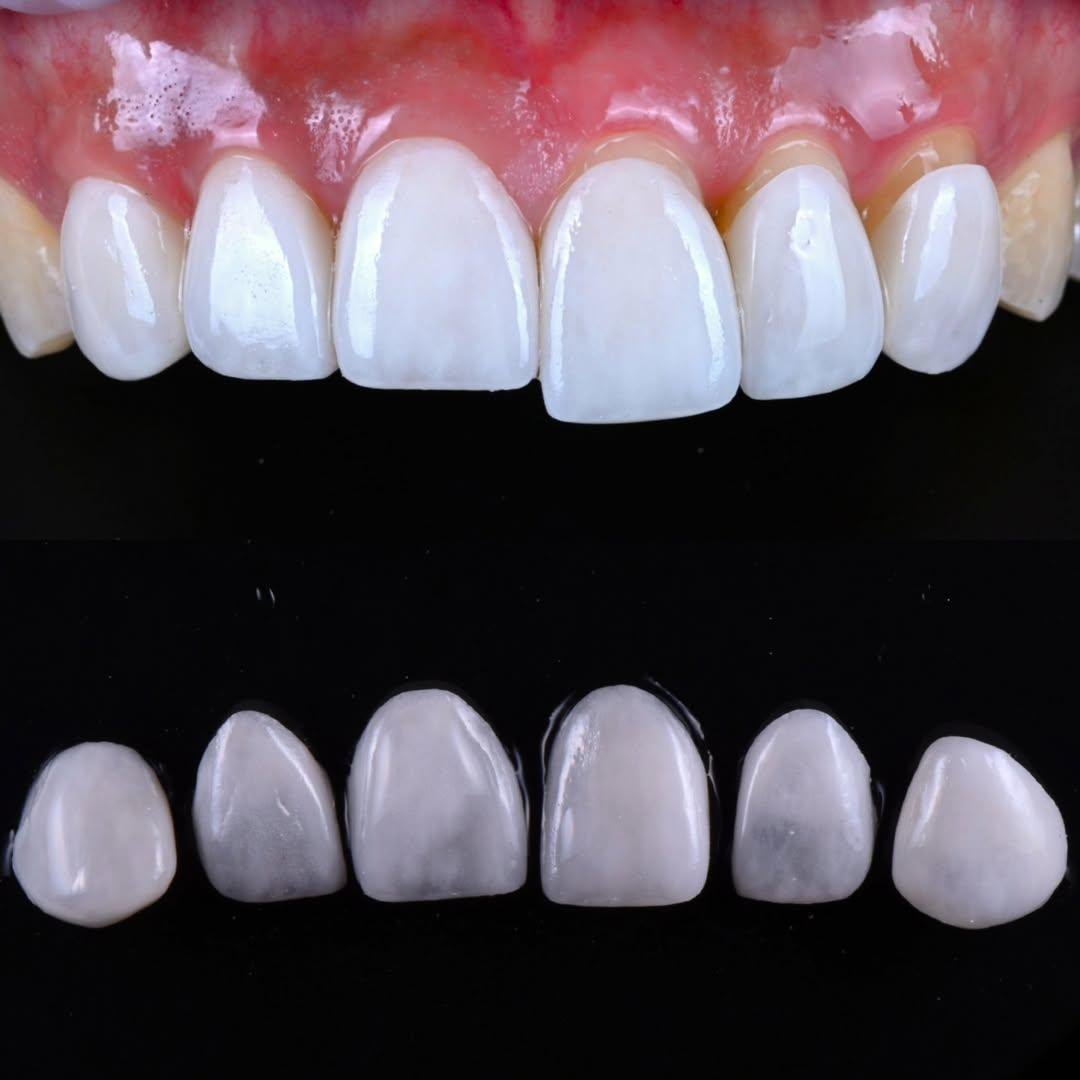
No-prep means the tooth gets larger
If no enamel is removed, the veneer sits directly on top of the existing tooth surface — the tooth becomes thicker, roughly by the veneer's own thickness. This looks natural only when the original tooth is smaller than ideal, or there's spacing to close. On a tooth that's already a normal size, no-prep tends to look bulky rather than natural.
Suitability is diagnosed from the whole smile
Whether no-prep is appropriate depends on several factors together: your existing tooth dimensions, tooth and lip projection, smile line, available space, tooth position, occlusion, gingival contour, and overall facial harmony.
Tooth-size analysis — including a Bolton analysis when interarch tooth-size discrepancy is relevant — may be one part of that assessment. But Bolton analysis measures the proportional relationship between upper and lower tooth widths; it is not a standalone test for deciding whether a veneer should be no-prep.
No-prep suitability is diagnosed from the whole smile, not from a single measurement.
Enamel contact matters for longevity
Veneers bond most durably to enamel. When preparation exposes dentin underneath, bond strength and long-term survival tend to be lower. This is a key reason minimal- or no-prep approaches — which preserve enamel — are associated with strong long-term survival data in the literature, covered with full sources in the guide below.
02 / Case Examples
Three routes to a natural result
The right route depends on how much enamel would need to be removed to get there — and on how much of the smile actually needs treating.
Case 1 · Minimal-prep veneers
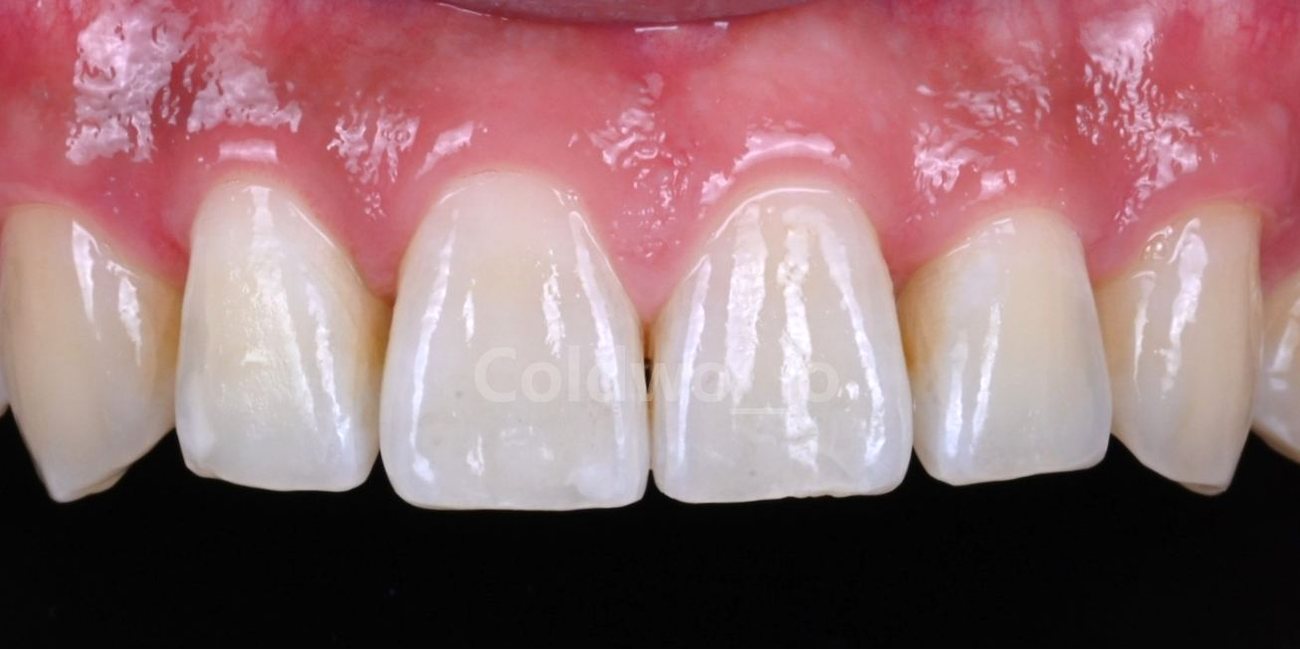
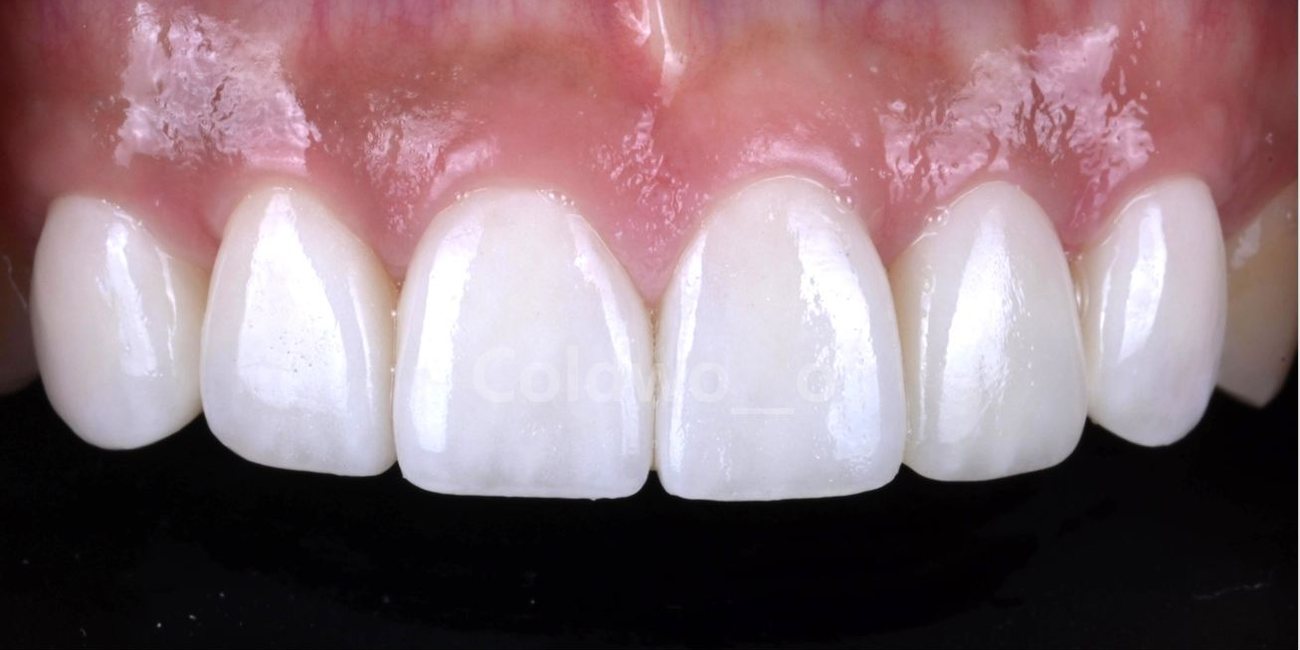
Anterior shape and shade corrected with minimal-prep veneers, keeping bonding on enamel to support long-term durability.
Case 2 · Alignment first, then veneers
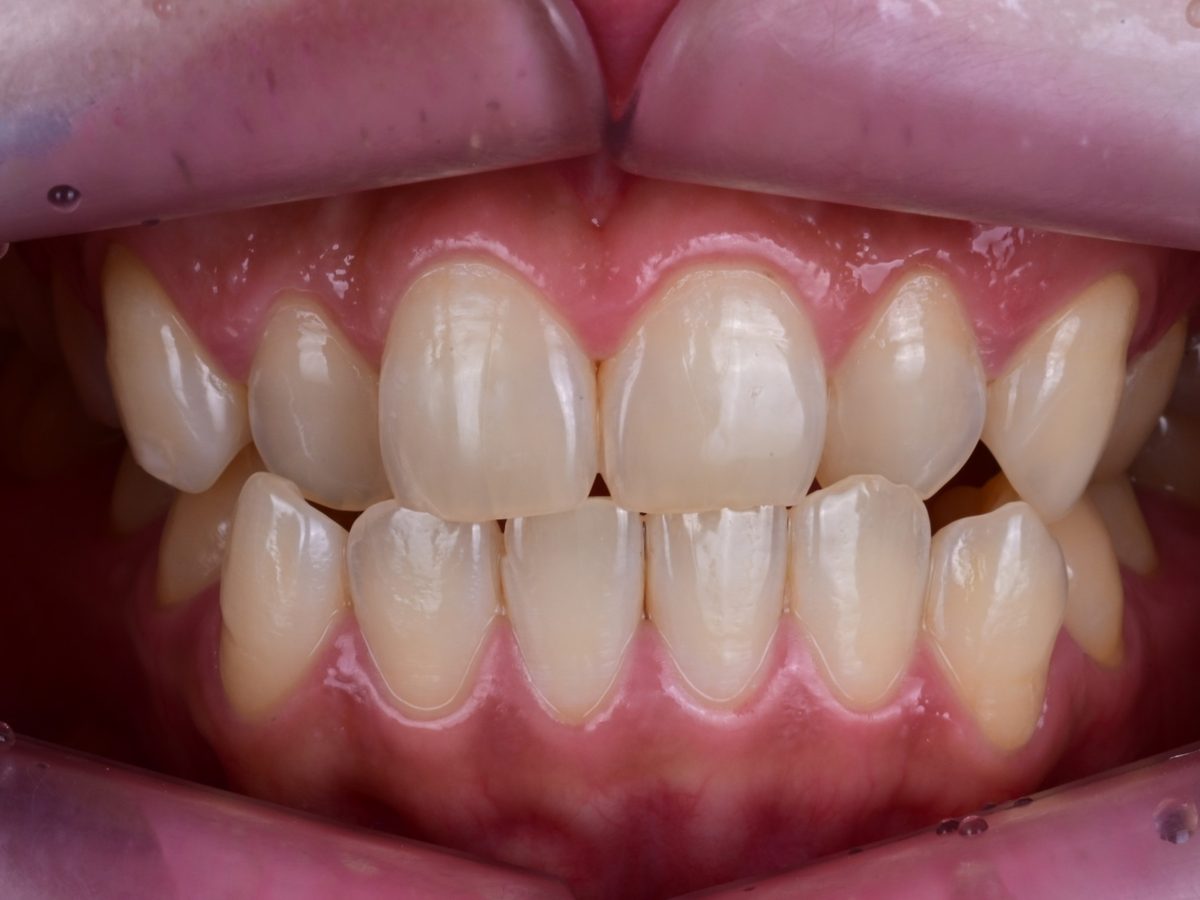
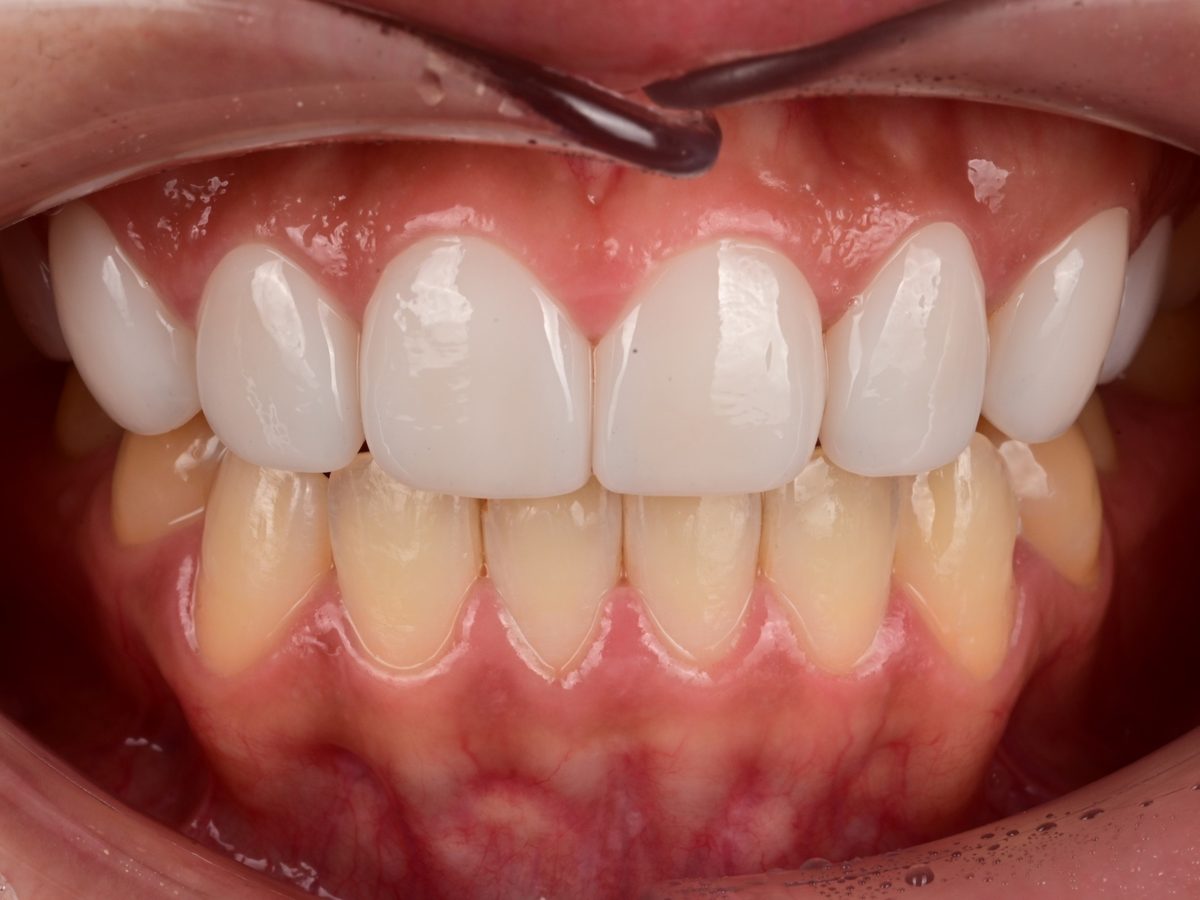
When teeth are rotated or out of position, veneering them directly means removing far more enamel — simply to make an uneven surface look even. Moving the teeth into position first means the veneers that follow can be much thinner, or in some cases unnecessary. This is often the more conservative route, even though it takes longer.
Case 3 · Localized repair, not a full smile makeover
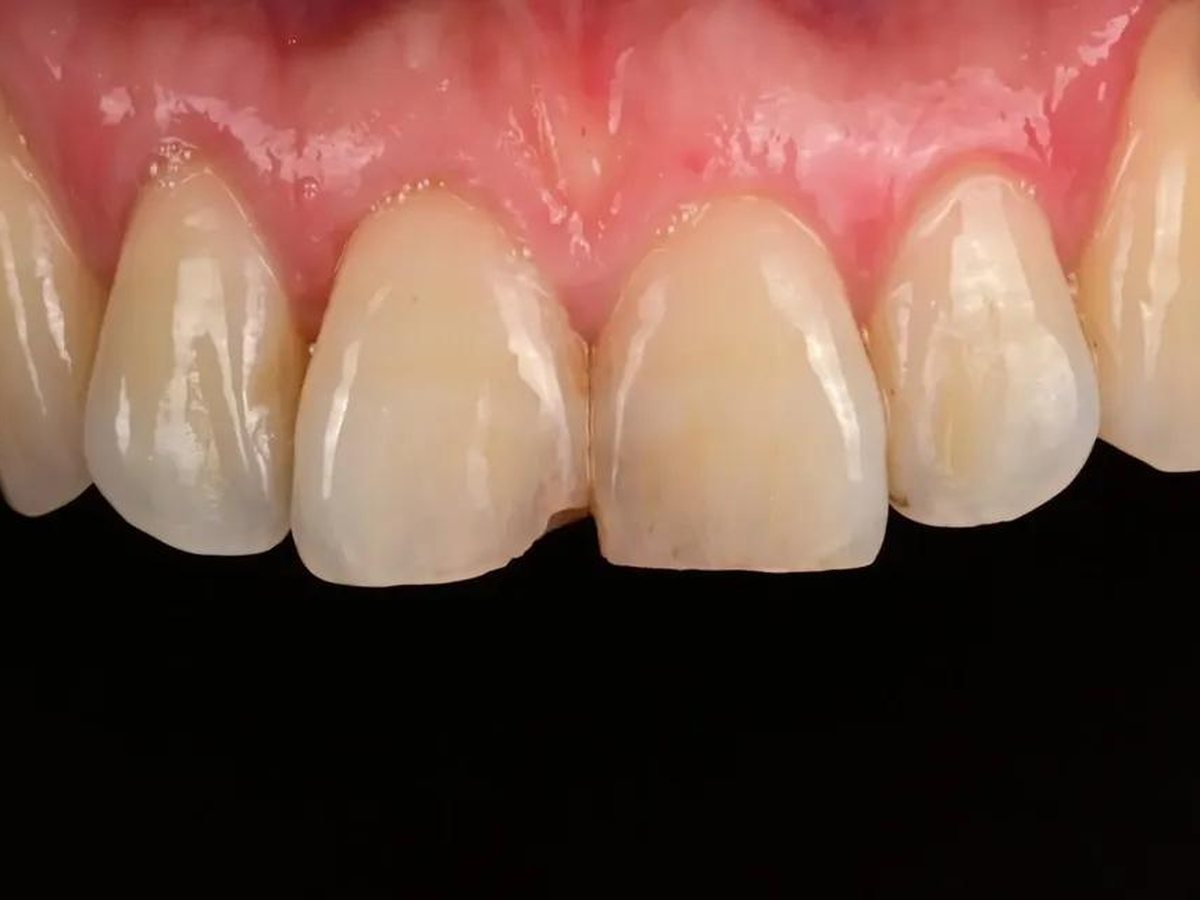
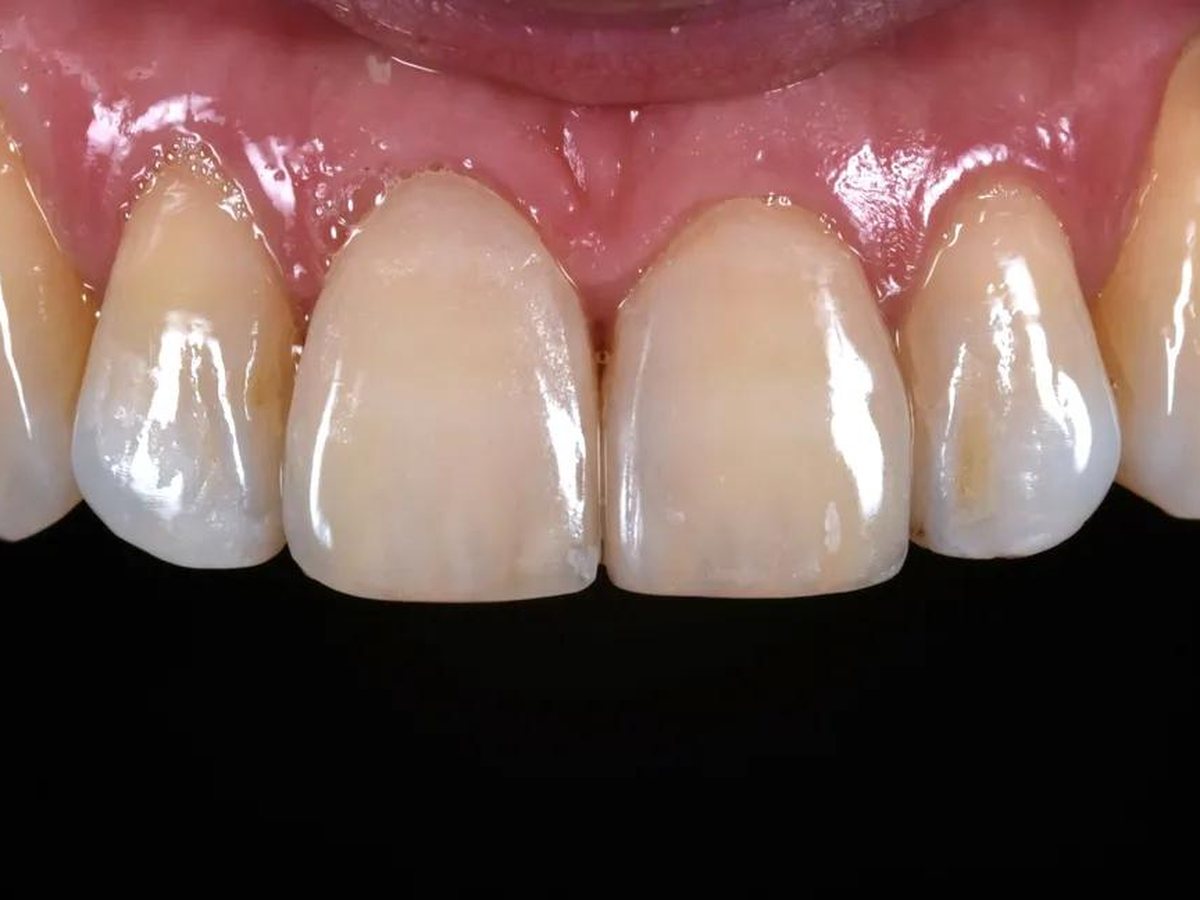
A single fractured front tooth, treated with minimal-prep veneers on only the two teeth that needed it — not a full 6- or 8-tooth set. "Korean veneers" is often pictured as a complete smile overhaul; just as often, the appropriate scope is limited to the actual damage.
Also offered
Cleaning & Whitening in Seoul
Professional dental cleaning and teeth whitening for international visitors — one appointment, around 90 minutes. Sensitivity is managed with a desensitising protocol, and appointments are planned around your travel dates.
Cleaning & whitening for visitors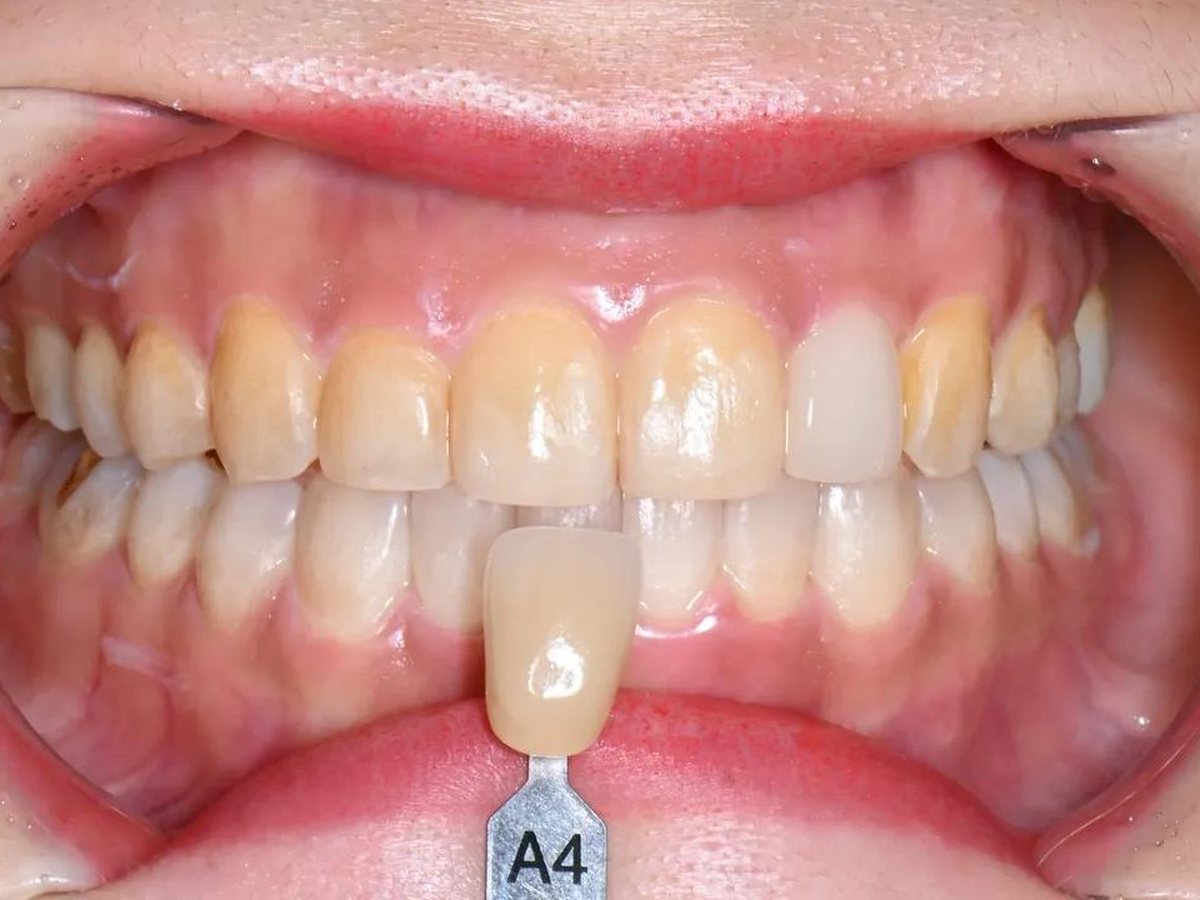 Before — A4
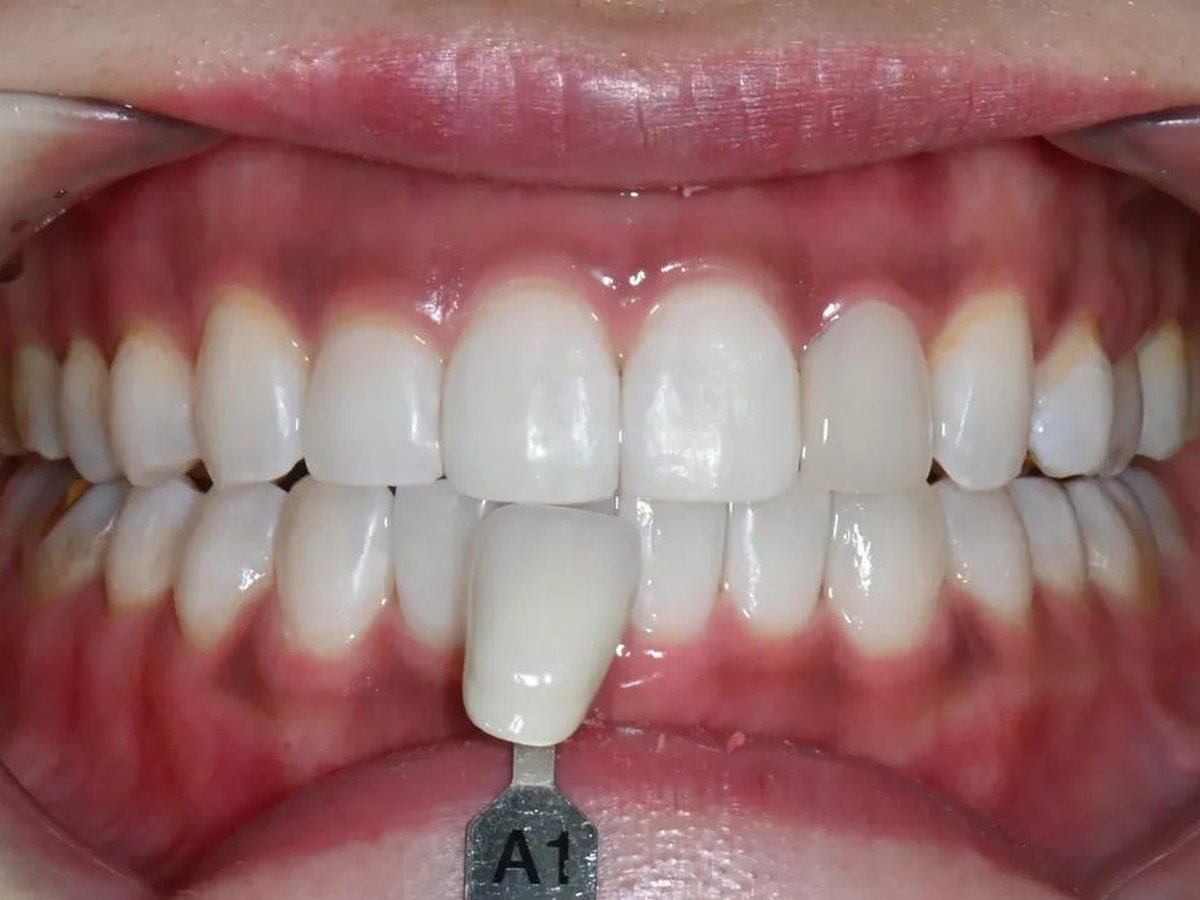 After — A1
04 / The Person Behind the Diagnosis
Woochan Hwang, DDS
Aesthetic Dentistry in Gangnam.
Dr. Woochan Hwang is a dentist and board-certified orthodontic specialist in Korea, practicing aesthetic dentistry in Gangnam. His approach to veneers considers tooth position, proportions, occlusion, lip support, and enamel preservation before deciding how much — if any — tooth preparation is appropriate.
Orthodontics is Dr. Woochan's formal specialty training. In Korea, specialty certification identifies advanced training in a specific field; it does not limit a dentist to treating only that specialty. His orthodontic background adds diagnostic depth to esthetic treatment — particularly in tooth position, occlusion, lip support, and facial proportions.
It adds another layer of diagnosis — not a narrower scope of care.
Based in Sinsa-dong, Gangnam-gu, Seoul, at REVE Dental Clinic. Consultations for international patients can be arranged in advance by contacting the clinic directly.
Credentials
- Board-Certified Orthodontic Specialist (Korea)
- Clinical Assistant Professor, Yonsei University College of Dentistry
- Invisalign Diamond Provider
- D.D.S., Yonsei University College of Dentistry
- M.S., Yonsei University Graduate School of Dentistry
- Orthodontic residency, Gangnam Severance Hospital
- Member, Korean Association of Orthodontists
Currently practicing at
- (Current) REVE Dental Clinic, Gangnam
Lead Dentist, Esthetic Department - Sinsa-dong, Gangnam-gu, Seoul
05 / Get in Touch
Considering veneers
from Korea?
The right approach depends on your tooth proportions, not a fixed technique. If you'd like an assessment before traveling, send a direct message on Instagram with a few photos of your smile — front view, resting and smiling — along with the concerns you'd like addressed.
Read the veneer guide firstDr. Woochan — Practicing at
REVE Dental Clinic, Gangnam
No-prep & minimal-prep veneers · Smile design · Whitening
- Location
- Sinsa-dong, Gangnam-gu, Seoul
- Enquiries
- Instagram direct message